
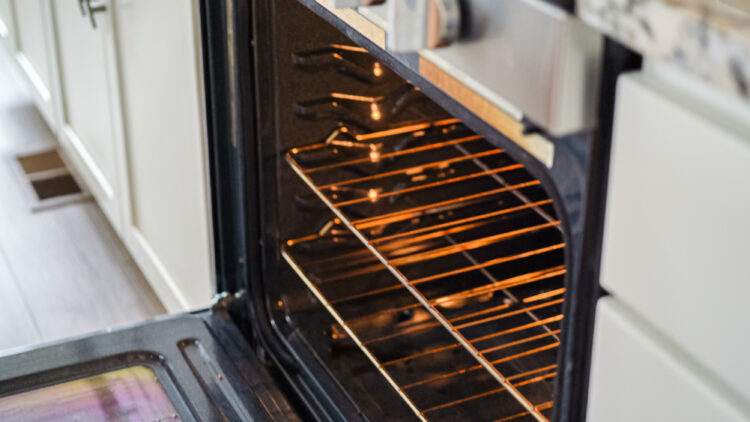
Electric Range and Oven Wiring in Maryland: What Homeowners Need to Know
Replacing a kitchen range or installing a new wall oven may seem like a straightforward appliance upgrade, but the electrical requirements behind these appliances can be significant. Electric cooking equipment often requires more power than ordinary household appliances, which means the existing circuit, wiring, breaker, and electrical panel all need to be appropriate for the equipment being installed.
This becomes especially important during kitchen renovations or when replacing an older appliance with a newer electric or induction model.
At Cook Electric, we’ve provided professional electrical services since 1988. If you’re planning a kitchen upgrade in Maryland, here’s what you should know about the electrical side of installing an electric range or oven.
Electric Ranges Require the Right Circuit
A standard wall receptacle isn’t designed to power an electric range.
Electric ranges typically operate on a dedicated higher-voltage circuit designed specifically for the appliance. The exact electrical requirements depend on the range manufacturer’s specifications.
Before installing a new appliance, an electrician can evaluate the existing:
- Circuit breaker
- Wiring
- Receptacle or connection
- Electrical panel capacity
- Manufacturer requirements
Never assume that an existing range circuit is automatically suitable for every replacement appliance.
Why a Dedicated Circuit Is Important
Large kitchen appliances can draw substantial amounts of electricity.
A dedicated circuit provides the appliance with a circuit intended for its electrical load rather than sharing power with unrelated receptacles, lights, or appliances.
Proper circuit sizing helps the electrical system operate as intended and reduces problems such as recurring breaker trips or overheated electrical components.
The breaker and wiring must be appropriately matched to the equipment and installation.
Replacing a Gas Range With an Electric Range
Switching from gas cooking to electric can require more electrical work than homeowners initially expect.
A gas range may use electricity for controls, ignition, displays, and other features while still relying on gas for cooking. As a result, the existing electrical connection may not be capable of supplying a full electric range.
If you’re converting from gas to electric, you may need a new dedicated circuit installed from the electrical panel to the kitchen.
The available panel capacity should also be evaluated before adding the new electrical load.
What About Induction Ranges?
Induction cooking has become an increasingly popular option for modern kitchens.
Instead of heating a traditional electric element and transferring that heat to cookware, induction equipment uses electromagnetic energy to heat compatible cookware directly.
Although induction ranges can offer excellent cooking performance, they still have specific electrical requirements.
If you’re replacing a gas or traditional electric range with an induction model, check the manufacturer’s specifications before assuming the existing electrical setup can be reused.
Wall Ovens Have Their Own Electrical Requirements
Wall ovens can create additional electrical planning considerations, particularly in renovated kitchens.
Depending on the equipment, a kitchen might contain:
- Single wall oven
- Double wall oven
- Separate electric cooktop
- Induction cooktop
- Microwave
- Dishwasher
- Garbage disposal
- Refrigerator
Each appliance has its own electrical requirements.
When designing a new kitchen, planning these loads before cabinets, countertops, and finished walls are installed can make the electrical portion of the project much easier.
Your Electrical Panel Needs Enough Capacity
Adding a major electric appliance increases demand on the home’s electrical system.
An electrician can evaluate the existing service and panel to determine whether there is appropriate capacity for the planned equipment.
This is particularly important when a renovation includes several electrical upgrades at once.
For example, a homeowner may be installing a new electric range while also adding:
- An EV charger
- Electric water heating
- Additional HVAC equipment
- A finished basement
- New kitchen appliances
- A hot tub
- Other high-demand equipment
Looking at the home’s electrical demands as a complete system can help prevent problems later.
Older Maryland Kitchens May Need Electrical Updates
Many older homes were built when kitchens contained far fewer electrical appliances than they do today.
Over the years, homeowners may add microwaves, countertop appliances, dishwashers, disposals, larger refrigerators, specialty cooking equipment, and other devices.
A kitchen renovation provides an opportunity to evaluate whether the existing electrical system still makes sense for how the space is actually being used.
Electrical improvements may include new circuits, receptacles, lighting, switches, GFCI protection where required, and updated appliance connections.
Why Does the Breaker Trip When the Oven Is Running?
If your range or oven repeatedly trips its breaker, don’t simply continue resetting it.
Possible causes can involve the appliance itself or the electrical system supplying it.
An electrician can evaluate the circuit, connections, breaker, and other electrical components. Depending on the findings, appliance service may also be necessary.
Repeated breaker trips are a warning that something needs to be investigated.
Signs Your Range or Oven Circuit Needs Attention
Contact an electrician if you notice electrical symptoms such as:
- Repeated breaker trips
- Burning odors
- Discoloration near the connection
- Unusual buzzing or crackling
- Excessive heat around electrical components
- Intermittent loss of power
- Visible wiring or receptacle damage
If you see smoke or fire, leave the area and contact emergency services.
Electrical problems involving high-demand appliances shouldn’t be ignored.
Plan Electrical Work Early During a Kitchen Remodel
One of the easiest ways to complicate a kitchen renovation is waiting until the cabinets and walls are finished before deciding where electrical equipment will go.
Before construction reaches that point, determine the locations and specifications for major appliances.
Your electrician can then plan appropriate circuits and connections for the final kitchen layout.
Early electrical planning is particularly valuable when you’re relocating a range, installing wall ovens, adding an island, or switching between gas and electric appliances.
Professional Kitchen Electrical Services from Cook Electric
Since 1988, Cook Electric has provided professional electrical repair and construction services for Maryland homeowners.
Our residential electrical services include new circuits, electrical troubleshooting, switches and receptacles, lighting, panel work, wiring for additions and renovations, and other electrical improvements.
Cook Electric provides electrical repair services throughout Annapolis, Anne Arundel County, Crofton, Edgewater, Glen Burnie, Kent Island, Severna Park, Stevensville, and surrounding Maryland communities.
Prepare Your Kitchen for Your Next Appliance Upgrade
A new range or oven can completely change the way a kitchen looks and functions, but the electrical system behind the appliance is just as important as the appliance itself.
Before installing an electric or induction range, wall oven, or other major cooking equipment, make sure the existing circuit and electrical panel are ready for the new load.
Planning a kitchen renovation or installing a new electric range in Maryland? Contact Cook Electric for professional appliance circuit installation, kitchen wiring, electrical troubleshooting, and residential electrical upgrades.