
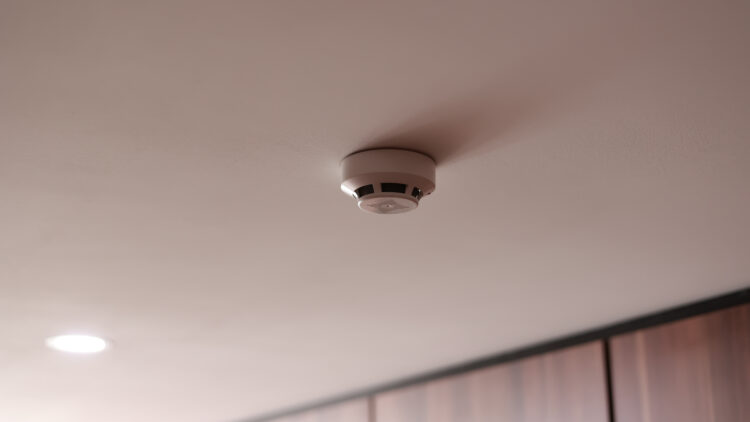
Smoke and Carbon Monoxide Detector Wiring in Maryland: Why Hardwired Protection Matters
Smoke and carbon monoxide detectors are some of the most important safety devices in any home. They may go unnoticed for most of the year, but when a fire or carbon monoxide emergency occurs, early warning can make a critical difference.
For Maryland homeowners, especially those living in older homes or planning renovations, it’s worth considering whether existing alarms provide the level of protection expected from a modern system. Hardwired and interconnected smoke and carbon monoxide detectors can improve whole-home coverage by allowing alarms throughout the house to communicate with one another.
At Cook Electric, we’ve provided professional electrical services since 1988. Here’s what Maryland homeowners should know about detector wiring, replacement, and electrical safety.
What Is a Hardwired Smoke Detector?
A hardwired smoke detector is connected directly to your home’s electrical system instead of relying solely on a replaceable battery for primary power.
Many hardwired alarms also include battery backup so they can continue operating during a power outage.
Hardwired systems can also be interconnected. If one compatible alarm detects a hazard, other connected alarms can sound as well.
For example, smoke detected near the kitchen could trigger alarms near upstairs bedrooms, giving occupants throughout the house an earlier warning.
Why Interconnected Alarms Are Important
Imagine a fire starting in a basement or garage while your family is asleep upstairs. A standalone alarm may activate, but it could be difficult to hear from another part of the house.
With properly interconnected alarms, activation in one location can trigger alarms in other protected areas.
This can be especially beneficial in:
- Multistory homes
- Larger properties
- Finished basements
- Homes with attached garages
- Additions and renovated homes
- Houses with bedrooms far from common living areas
The goal is to provide occupants with prompt warning regardless of where a hazard begins.
Don’t Forget About Carbon Monoxide
Carbon monoxide is particularly dangerous because it is colorless and odorless.
Potential sources can include fuel-burning equipment and vehicles. A functioning carbon monoxide alarm is therefore an important component of home safety.
Combination smoke and carbon monoxide alarms are available, allowing homeowners to incorporate both types of detection into their safety plan.
The correct detector type and placement depend on the home and applicable requirements, making professional guidance valuable when upgrading a system.
When Should Smoke and CO Detectors Be Replaced?
Detectors do not last forever.
Replacement intervals vary by alarm type and manufacturer, so homeowners should check the date and instructions printed on each unit. If an alarm has reached the end of its listed service life, it should be replaced even if it still appears to function during a basic test.
Other signs that a detector may need attention include:
- Repeated chirping after installing a fresh battery
- Failure during testing
- Physical damage or discoloration
- Missing alarms in important areas
- Very old or unknown installation dates
Never remove or disable a detector simply because it is producing an unexplained warning or chirp. Determine the cause and correct it.
Are Battery-Only Detectors Enough?
Requirements vary based on the home, project, detector location, and local jurisdiction.
Battery-powered alarms can provide valuable protection, but hardwired interconnected systems offer additional advantages when appropriate. During certain renovations or construction projects, electrical and building requirements may also affect which alarm systems need to be installed.
A licensed professional can help determine what applies to your specific property rather than relying on a one-size-fits-all approach.
Renovations Are an Excellent Time to Upgrade Detectors
If you’re already remodeling your home, finishing a basement, or building an addition, consider smoke and carbon monoxide protection during the electrical planning stage.
When walls and ceilings are open, electricians have better access for wiring.
This can make it easier to incorporate detector upgrades alongside:
- New lighting
- Additional circuits
- Receptacles
- Ceiling fans
- Structured wiring
- Other electrical improvements
Planning early can also help ensure new living spaces are properly integrated with the rest of the home’s safety system.
What About Older Maryland Homes?
Maryland has many older homes, particularly throughout Annapolis and established communities in Anne Arundel County.
Older properties may have undergone several renovations over the decades. This can sometimes result in a mixture of alarm types, ages, and technologies throughout the house.
If you’re unsure how your detectors are powered or whether they’re interconnected, an electrical evaluation can help identify what is currently installed and what improvements may be appropriate.
Test Your Detectors Regularly
Even professionally installed alarms require homeowner maintenance.
Follow the manufacturer’s testing and maintenance instructions for every detector in your home. Replace backup batteries when required and never paint over alarms or block them with furniture or decorations.
Homeowners should also make sure everyone in the household recognizes the alarm sounds and knows how to exit the home during an emergency.
Electrical safety equipment is most effective when combined with a practiced household emergency plan.
Why Professional Installation Matters
Hardwired detector installation involves your home’s electrical system and should be completed correctly.
Professional installation helps ensure:
- Secure electrical connections
- Appropriate circuit integration
- Proper interconnection where applicable
- Correct equipment selection
- Reliable backup power configuration
- Compliance with applicable project requirements
An electrician can also identify electrical issues discovered while performing the work.
Electrical Services from Cook Electric
Since 1988, Cook Electric has provided electrical repair and construction services for Maryland homeowners. Services include electrical repairs, new home wiring, wiring for additions and renovations, switches and receptacles, lighting, generators, and other residential electrical projects.
Cook Electric provides electrical repair service throughout Annapolis, Anne Arundel County, Crofton, Edgewater, Glen Burnie, Kent Island, Severna Park, and Stevensville, with construction services available across additional Maryland communities.
Make Home Electrical Safety a Priority
Smoke and carbon monoxide detectors are easy to overlook until they’re needed. Making sure your alarms are properly installed, maintained, and appropriately interconnected can strengthen your home’s overall safety strategy.
This is particularly important when renovating an older property, finishing new living space, or replacing aging detectors throughout the house.
Need help with electrical safety upgrades in your Maryland home? Contact Cook Electric to discuss professional electrical services and make sure your home’s electrical system is prepared to support the safety features your family depends on.